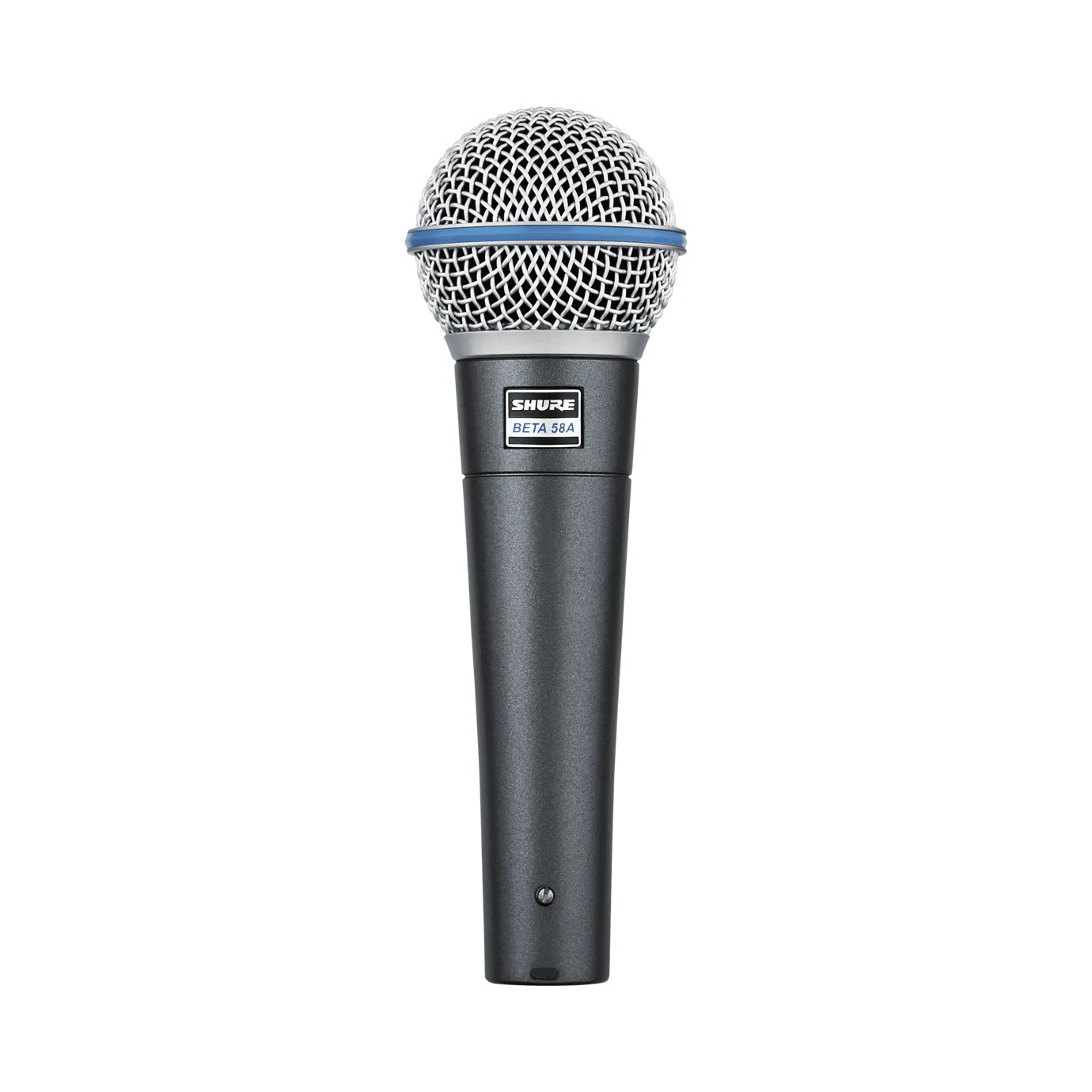
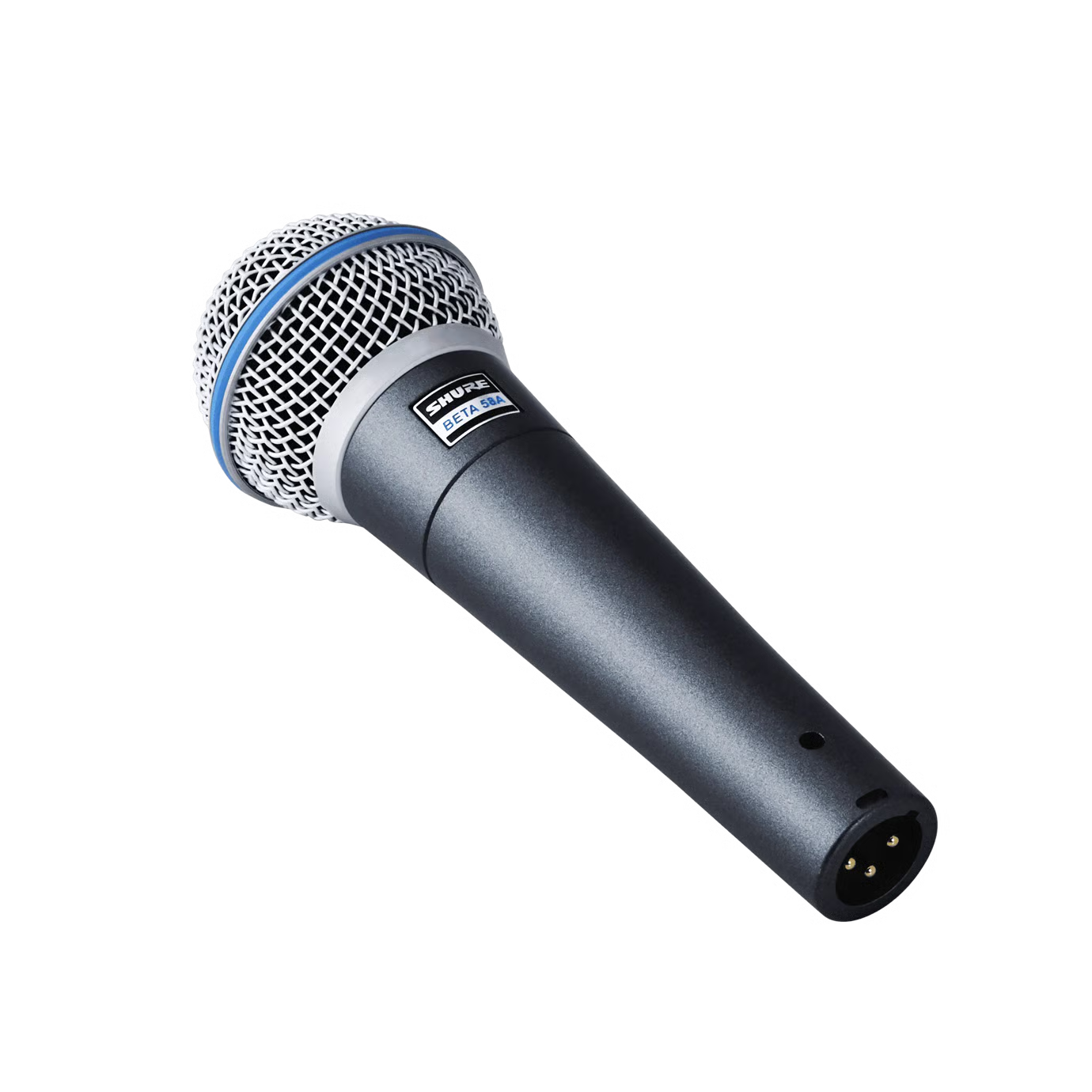
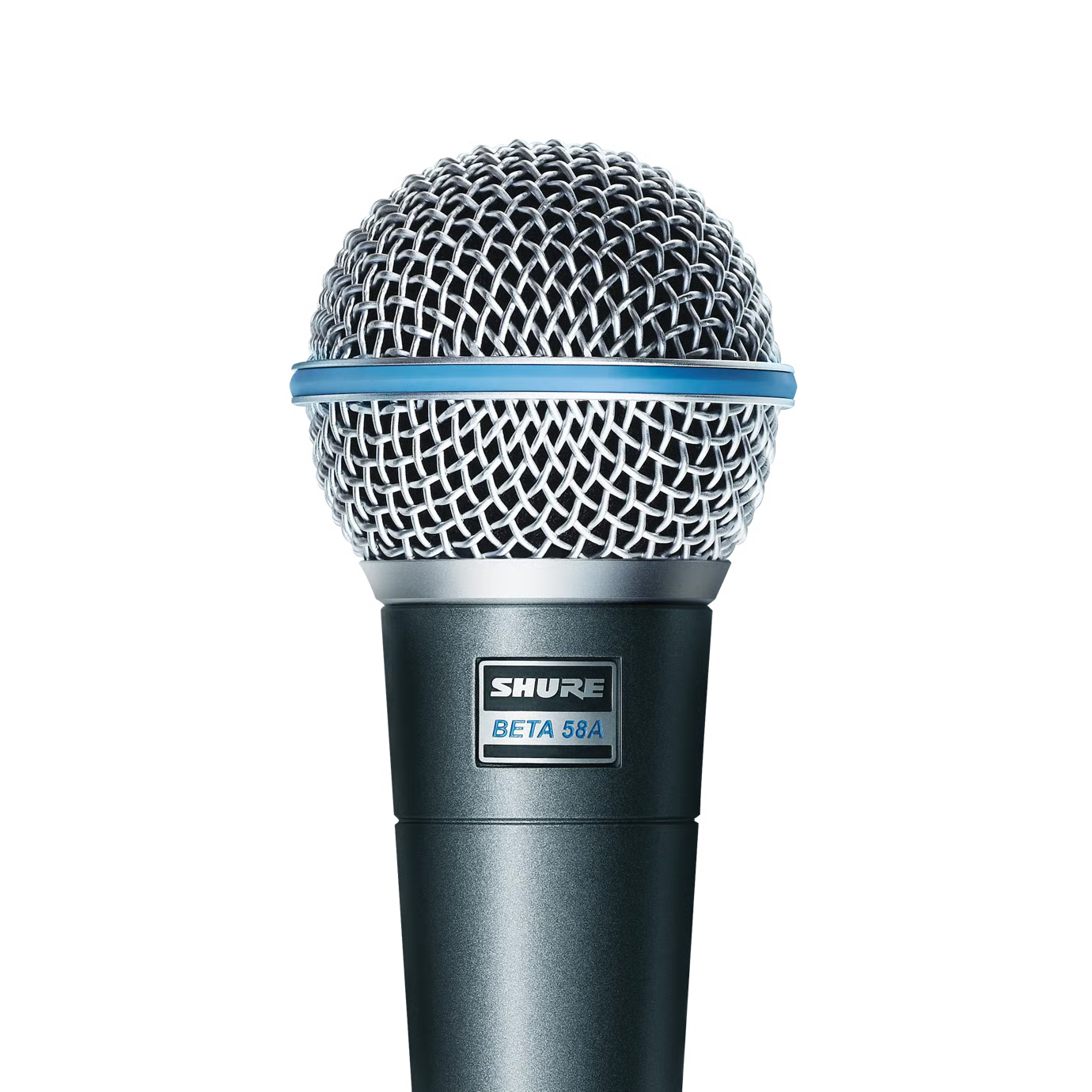
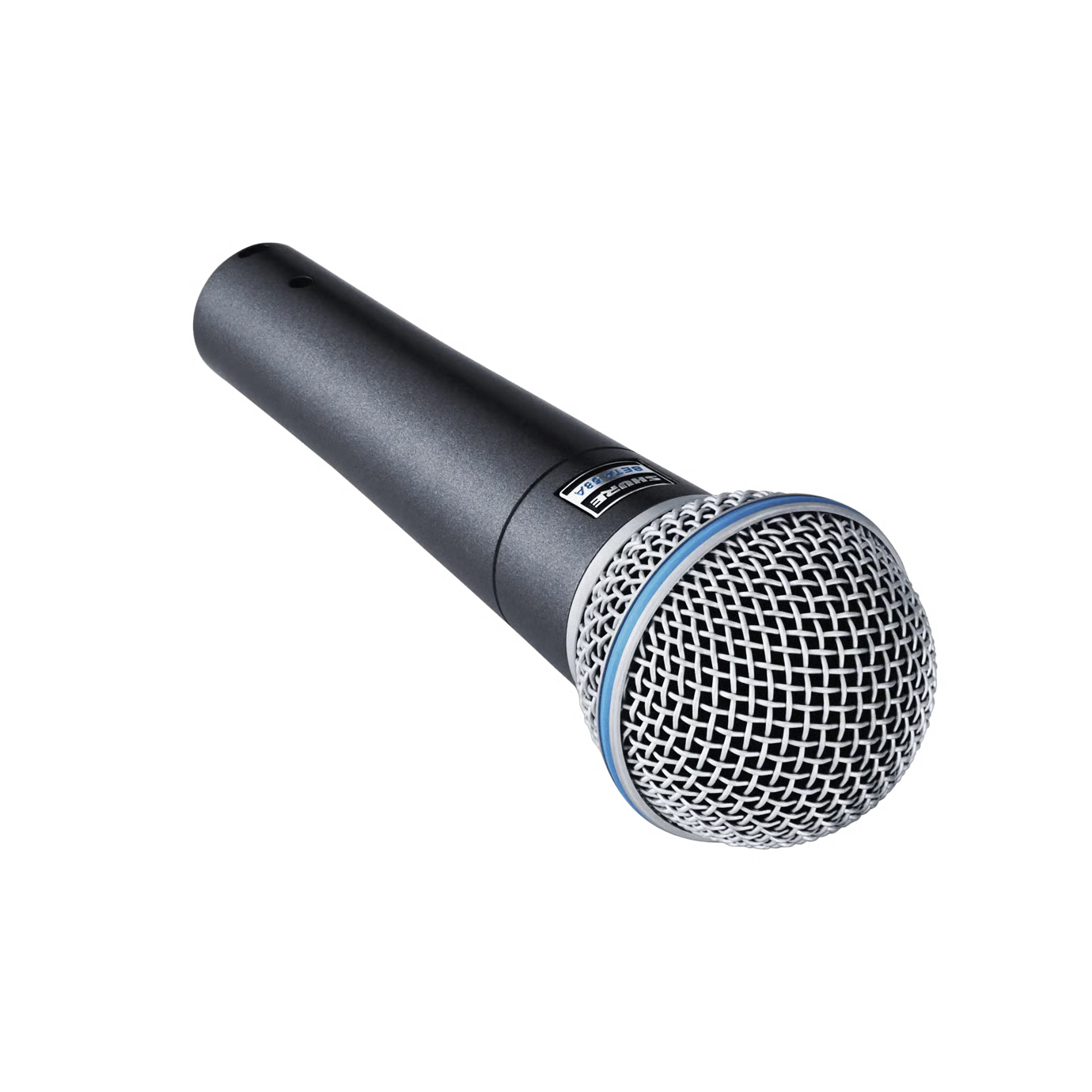
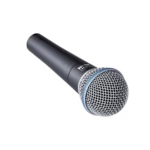


The Shure Beta 58A is a high-output supercardioid dynamic vocal microphone designed for professional live performance and studio recording. Built as an upgraded alternative to the SM58, the Beta 58A delivers brighter, clearer vocals with superior feedback rejection—making it the choice for singers who need their voice to cut through loud stages. The supercardioid pattern provides tighter isolation than standard cardioid mics, helping vocals sit prominently in the mix even with aggressive monitor levels. Backed by Shure’s 2-year warranty and hardened steel grille construction.
Who Uses the Beta 58A and Why
The Beta 58A has earned its place on stages worldwide because it solves a specific problem: getting vocals to cut through without feedback. One guitarist who’d been using SM58s for years said it plainly: “I bought the Beta 58A for vocals. The mike sounded so good, all the band vocalists now use them, really enhances our harmonies.” That’s the typical experience—bands start with one Beta 58A and end up switching everyone over.
This mic shows up across every genre. A singer who performs Sinatra and Bennett tributes uses it alongside more expensive condensers specifically because “the other performers and I have been more than impressed with the performance.” Rock bands, worship teams, acoustic solo performers, and studio engineers all reach for it when they need clarity and presence. One musician dealing with feedback issues reported: “The other singer in the band said you need a Shure Beta 58, reluctantly I bought one. Feedback has gone away, the clarity that this microphone provides is incredible.”
The Beta 58A works particularly well for singers whose voices need help cutting through dense mixes. One reviewer who compared it directly to the SM58 said: “Could tell the difference vocally between 58A & 58 instantly, amazing clarity!” Another noted that after switching to the Beta 58A, “my vocals are much clearer now. I wish I would’ve bought it a long time ago.” The mic doesn’t change your voice—it just puts it where it needs to be in the mix.
The Supercardioid Difference
The Beta 58A uses a supercardioid pickup pattern, which is tighter than the standard cardioid pattern on the SM58. This matters more than you might think. The supercardioid pattern picks up sound from a narrower area in front of the mic while rejecting more sound from the sides. One engineer explained it clearly: “This mic gives a lot of headroom” and noted it works great on guitar cabs and acoustic instruments beyond just vocals.
The tighter pattern means you get more gain before feedback. Sound engineers love this because they can push monitor levels higher without the mic feeding back. One user specifically mentioned: “I was having feedback issues with the monitors, the other singer in the band said you need a Shure Beta 58, reluctantly I bought one. Feedback has gone away.” If you’re working stages with loud backline or aggressive monitor mixes, this feedback resistance is worth the upgrade price alone.
There’s a tradeoff: the supercardioid pattern has a smaller “sweet spot” than cardioid mics. You need to stay more directly on-axis to get the best sound. One comparison noted: “The SM58 offers a wider sweet spot and is a little easier to use for beginner performers” while the Beta 58A requires better mic technique. If you move around a lot or aren’t consistent about staying on the mic, this matters. But if you have solid mic technique, the Beta 58A rewards you with better isolation and clarity.
Why It Sounds Brighter
The Beta 58A has a frequency response of 50Hz to 16kHz—extending higher than the SM58’s 15kHz ceiling. More importantly, it has presence peaks at 4kHz and 10kHz that give vocals extra clarity and “sparkle.” One user who tested it extensively said: “I’ve been using the Beta 58a for vocal applications and micing amps and love the dynamics and the sparkle I get.”
This brighter character is why many singers upgrade from the SM58. The SM58 is known for its warm sound, but that warmth can make vocals sit back in busy mixes. The Beta 58A was specifically developed to solve this. One reviewer who’d hunted through multiple microphones before finding the Beta 58A described being disappointed with other Shure mics before trying the Beta: “I came to the beta 58A and I thought here we go again another Shure piece of crap but I thought what the heck I’ll give them one more chance…I gave this mic a try and it was virtually none” in terms of handling noise, with great vocal clarity.
The bass rolloff below 500Hz controls proximity effect, so you don’t get boomy when working close to the mic. A jazz trio guitarist noted: “When I sing right on the mic it gets even better, warmer and fuller without any added boominess.” This is smart engineering—you get the benefits of close-miking without the low-end buildup that makes vocals muddy.
Build Quality and Durability
The Beta 58A uses a hardened steel mesh grille instead of the SM58’s softer grille material. This makes it even tougher than the already-legendary SM58. The mic feels substantial in your hand at 0.62 pounds—one user noted: “It’s a little heavy to hold but I think that would be due to the durability.” The weight tells you it’s built properly.
The internal pneumatic shock mount reduces handling noise effectively. The same reviewer who tested handling said: “I first tried it with mic handling testing tapping it grabbing it and it was virtually none” in terms of transmitted noise. You can move with the mic without creating thumps through the PA. The shock mount also protects the capsule from the physical abuse of touring—drops, bumps, and being tossed into equipment cases.
The neodymium magnet provides higher output than the SM58’s AlNiCo magnet—about 4dB hotter. This means you need less preamp gain, which keeps your signal cleaner and gives you more headroom before feedback. One user specifically mentioned: “Due to its neodymium magnet, the Beta 58A has greater sensitivity and a 4dB hotter output than the SM58.”
Connectivity and Setup
The Beta 58A has a standard XLR male connector and works with any microphone input. It’s a dynamic mic, so it doesn’t require phantom power—just plug it in and go. The output impedance is 290 ohms (150 ohms rated), which is standard for professional microphones and works perfectly with all mixing consoles, audio interfaces, and powered speakers.
The included mic clip rotates 180 degrees and fits any standard mic stand. The mic doesn’t have an on/off switch—this is intentional for live performance to prevent accidental muting. If you need a switch, you’d want to look at other models, but most professionals prefer not having a switch on stage mics.
Real-World Performance Across Applications
While marketed as a vocal mic, the Beta 58A works well on other sources. One user mentioned: “This one doubles as a great snare drum mic, acoustic guitar, guitar cab, and so on.” The tight pattern and extended high-frequency response make it good for instruments that need definition. For guitar cabs, the Beta 58A provides more clarity than the SM58 without getting harsh.
In studio settings, singers use it for tracking loud vocals or when they want the dynamic mic character. One songwriter reported: “I have actually gone on to KEEP some of my scratch vocals when I actually record, which would have been unheard of in MY past!” The mic is clean enough that vocals tracked with it can sit in final mixes without needing to re-record with a condenser.
For solo acoustic performers, the Beta 58A excels. One jazz guitarist said: “This mike great. I use it with bose l1 compact. The clarity is wonderful.” The feedback resistance matters even more in these applications where you’re often working very close to the speaker. The mic helps you get volume without fighting feedback issues.
Comparing Beta 58A to SM58
Most singers considering the Beta 58A already own or have used SM58s. The Beta 58A costs more, so the question is whether the upgrade is worth it. One reviewer who owned both put it bluntly: “Why drive a Pinto when you can drive a Cadillac? I had the Shure SM58 and jumped into the Beta 58A and the difference was like day and night.”
The main differences: the Beta 58A is brighter with extended high frequencies, has better feedback rejection due to the supercardioid pattern, and outputs 4dB hotter. The SM58 has a wider pickup pattern that’s more forgiving for less experienced performers and a warmer sound that some voices prefer. Neither is objectively better—they’re tools for different situations. But for cutting through loud stages and getting vocal clarity, the Beta 58A is the stronger choice.
One church sound director noted: “In our experience it sounds better than our Shure SM 58’s. Not a huge difference but noticeable.” That’s accurate—the improvement is real but not dramatic. If your SM58 is working fine, you don’t need to upgrade. But if you’re fighting feedback or struggling to get your vocals clear in the mix, the Beta 58A solves those problems.
What to Know Before Buying
The Beta 58A requires solid mic technique. The supercardioid pattern means you need to stay on-axis—singing off to the side changes the tone. If you’re used to working a cardioid mic and moving around freely, you’ll need to adjust your technique. The tighter pattern is less forgiving of poor positioning.
The brighter frequency response works great for voices that need clarity, but if your voice is already bright or you’re prone to sibilance, you might prefer the warmer SM58. Listen to comparison demos or test both if possible. One reviewer noted the Beta 58A “handles thin and female vocals better due to superior mid/high frequency management” compared to the SM58.
Watch for counterfeits. The Beta 58A’s popularity means fakes exist. Buy from authorized dealers—genuine Beta 58As have proper weight, excellent handling noise rejection, and come with the correct accessories. One review specifically warned: “Lots of counterfeit Shure mics on Amazon, people writing reviews and showing pictures to prove it. Sweetwater is an authorized seller of Shure products and they receive the goods directly from the Shure warehouse.”