

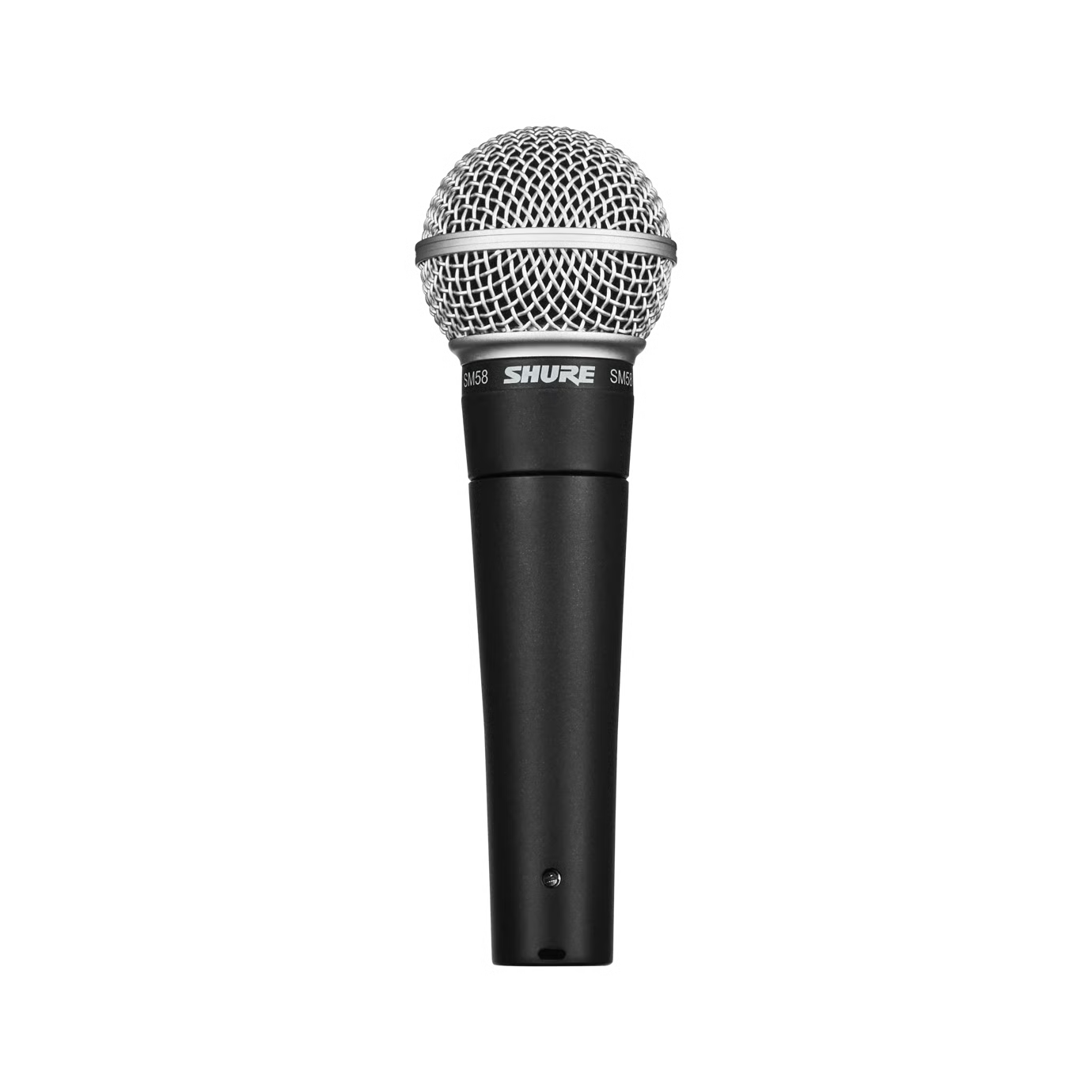

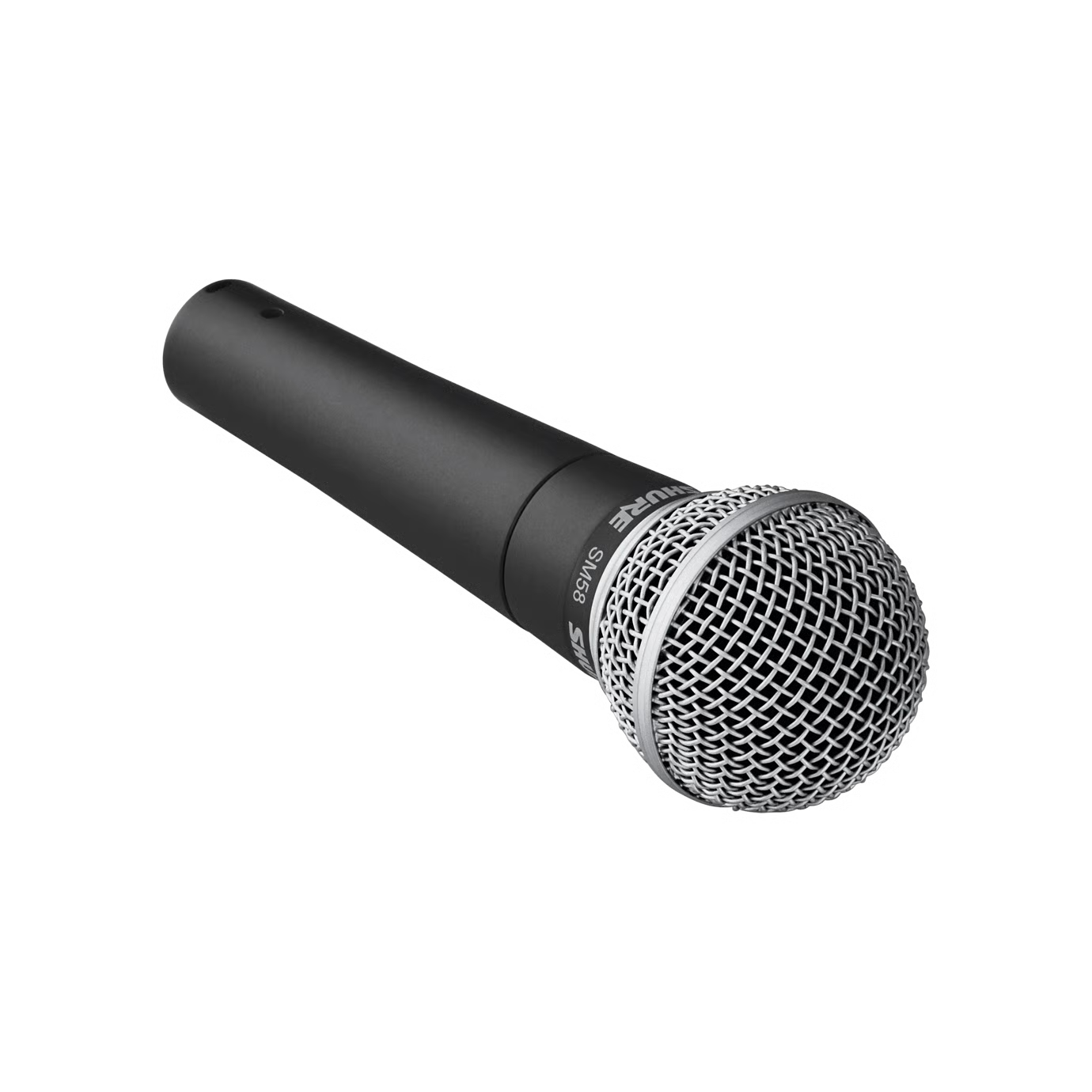
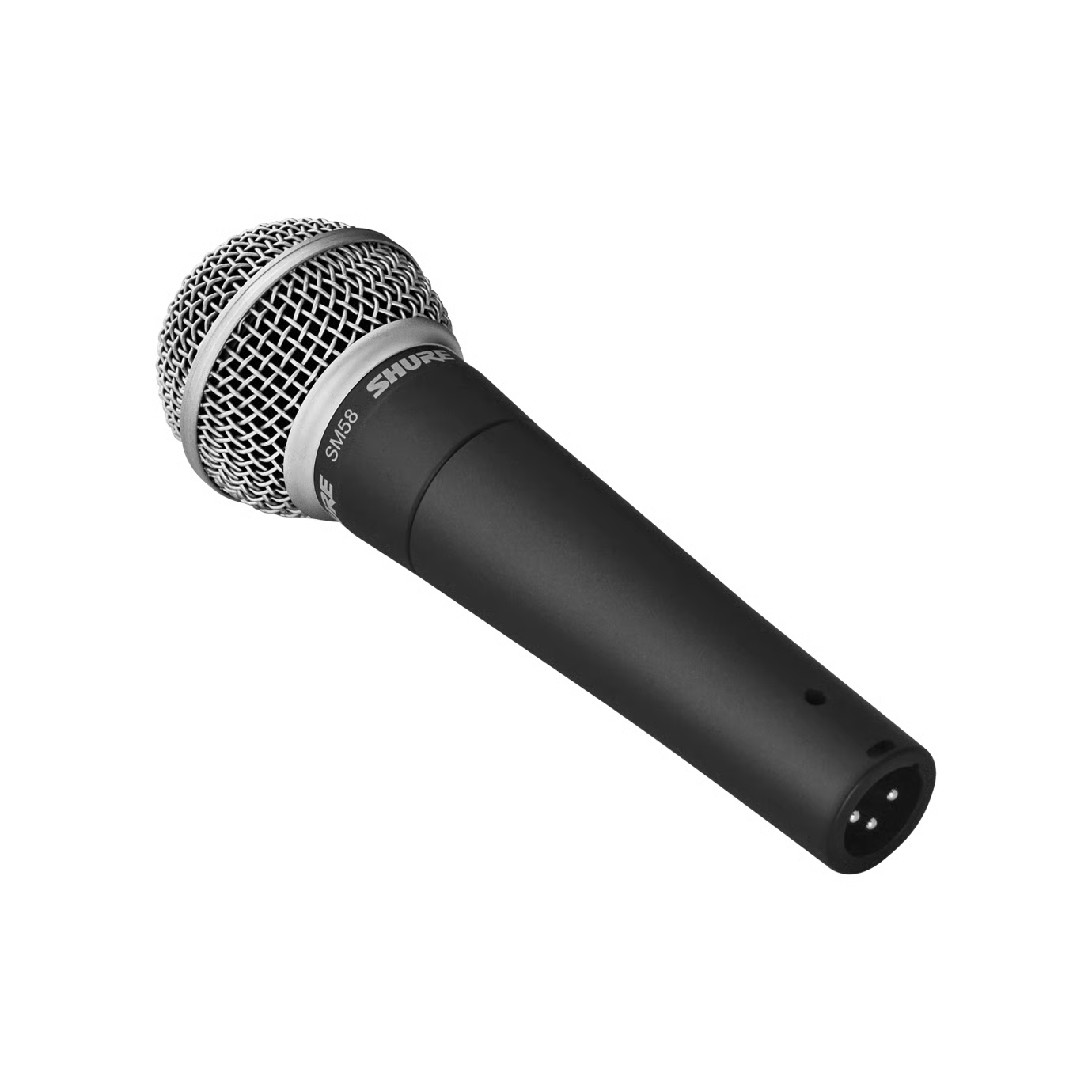

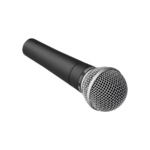
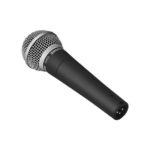
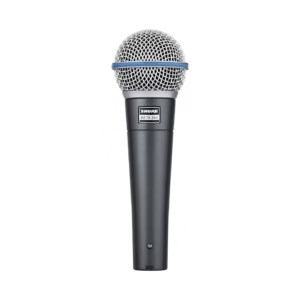
The Shure SM58 is the world’s most popular vocal microphone, designed for professional live performance, public speaking, and studio recording. Since 1966, it’s been the first choice for singers and speakers worldwide because it delivers three things that matter most: quality sound, consistent performance, and legendary durability. The SM58 features a cardioid pickup pattern that isolates your voice while minimizing background noise and feedback. Backed by Shure’s 2-year warranty.
Who Uses the SM58 and Why
If you’ve ever been to a concert, heard someone speak at an event, or watched a live performance, chances are you’ve heard an SM58. Rock stars, presidents, worship leaders, comedians, and everyone in between rely on this microphone. A singer with 50 years of gigging experience put it this way: “I have never found a mic that is as reliable, durable, with the consistent sound quality, gig after gig, as this one is.”
The SM58 works for singers across every genre—from soft female vocals to loud male vocals in metal bands. One professional who’s been using SM58s since the 1970s mentioned: “I still have 2 that were purchased in 1976. They’ve been used in clubs all over the US. They’ve been dropped so many times I can’t even estimate, they’ve had alcohol spilt on them, they’ve been left outside in a cold and hot trailer for weeks at a time.” After all that abuse, they still work perfectly.
Churches love them because they handle worship vocals beautifully while rejecting background noise. One church sound tech noted: “The SM58 doesn’t pick up the surroundings sound in the church but the singer’s voice.” For solo performers, podcast hosts, public speakers, and karaoke setups, the SM58 just works without requiring complicated setup or constant tweaking.
Why It Sounds the Way It Does
The SM58 has a frequency response specifically tuned for vocals—50Hz to 15kHz with a presence peak around 4-6kHz. That presence boost gives vocals warmth and clarity, helping them cut through a mix without sounding harsh or artificial. One professional singer described it as “richer, fuller and more dynamic” compared to other mics in direct comparison tests.
The low-end rolloff below 100Hz does something smart: it eliminates rumble and handling noise that would otherwise muddy your sound. This is why engineers can plug in an SM58 and get great results with minimal EQ. A recording engineer with 40 years of experience said: “Just start singing into a new SM58 and you realize why this is the standard. Feels substantial in the hand; very low self noise. The vocal tone sounds true and real without artificial presence or excessive bass.”
The cardioid polar pattern picks up sound primarily from the front while rejecting sound from the sides and rear. This is critical for live performance—it helps prevent feedback from monitors and keeps other instruments from bleeding into your vocal mic. One worship leader who’s used many different mics always comes back to the SM58 for live situations because of how well it isolates the source.
The Durability That Built the Legend
The SM58’s toughness isn’t marketing hype—it’s been tested in the real world for over 50 years. The die-cast metal body, steel mesh grille, and internal shock mount system can handle serious abuse. People have documented dropping SM58s from buildings, running them over with vehicles, freezing them, and submerging them in water. They keep working and sounding the same.
One gigging drummer mentioned: “I’ve dropped a few of them on a couple of occasions, no issues or visible damage.” A guitarist who’s been gigging for over 50 years said: “You can’t hardly destroy a Shure SM58 even if you constantly drop it on stage. About the worst thing that will happen is you will need to purchase a new screen.” Roger Daltrey of The Who famously swings his SM58 around on stage by the cable—that tells you everything about how these mics are built.
The pneumatic shock mount inside the mic isolates the capsule from handling noise better than typical mechanical mounts. The internal pop filter in the grille reduces plosives without needing an external pop screen. These aren’t features you think about—they’re things that just work so you can focus on performing.
Connecting and Using It
The SM58 is a dynamic microphone, which means it doesn’t need phantom power. Just plug the XLR cable into your mixer, interface, or powered speaker and you’re ready. The output impedance is 150 ohms (300 ohms actual), which works with any standard microphone input. You can run long cable lengths without signal degradation or interference.
The included mic clip rotates 180 degrees and fits any standard mic stand. The mic feels solid in your hand at 10.5 ounces—not so heavy it’s fatiguing, but substantial enough that it feels professional. The grille protects the capsule while giving you a comfortable distance for proximity effect control.
Where It Works Best
The SM58 excels in live sound applications. One professional musician said: “For outdoor live shows it’s hard to beat the Sure SM58.” The cardioid pattern and feedback rejection make it perfect for stages with loud monitors and nearby instruments. Sound engineers appreciate how quickly they can dial in a good sound—most SM58s sound great with just a high-pass filter and maybe a touch of compression.
In the studio, the SM58 works well for tracking loud vocals where you want a dynamic mic’s characteristics. It’s also surprisingly good on guitar cabinets, brass instruments, and other sources. One engineer specifically mentioned: “You really cannot beat the SM58, like the SM57 on guitars and snares – the SM58 is ‘that’ sound on live vocals.”
For podcasting and voiceover work, the SM58 provides a warm, broadcast-friendly sound without requiring expensive preamps. Home studios use them because they’re affordable, reliable, and don’t pick up room noise as aggressively as condenser mics.
What You Need to Know About Consistency
Here’s something important: Shure builds the SM58 to very tight tolerances. This means an SM58 will sound like an SM58, regardless of when or where it was made. You can buy multiple SM58s over the years and they’ll all match. One worship leader who owns several mentioned never being “disappointed with any of their products” over many years of use.
This consistency matters when you’re mixing multiple vocalists or adding mics to your collection. You’re not dealing with unit-to-unit variation that plagues some microphone models. What works on one SM58 will work on another.
The SM58S Variation
The SM58S is identical to the standard SM58 except it includes an on/off switch on the mic body. One solo performer who needed this feature said: “If you need to mute the mic, you just flip the switch as opposed to having to get to the board and turning down the volume.” For situations where you don’t have a sound person, the switch gives you quick control. The standard SM58 doesn’t have a switch, which some professionals prefer to avoid accidental muting during performance.
What’s Included in the Box
- 1 x Shure SM58 Cardioid Dynamic Vocal Microphone
- 1 x A25D Microphone Clip (rotates 180 degrees for easy positioning)
- 1 x Zippered Storage Pouch (protective storage and transport)
- User Guide