

A lot of drum problems in churches, schools, and weekend band gigs sound like mixer problems at first. The snare disappears when the band gets louder. Toms feel boxy one night and thin the next. Cymbal wash takes over, and the drum mix never quite locks in.
In many of those setups, the main issue starts before EQ. It starts at the microphone.
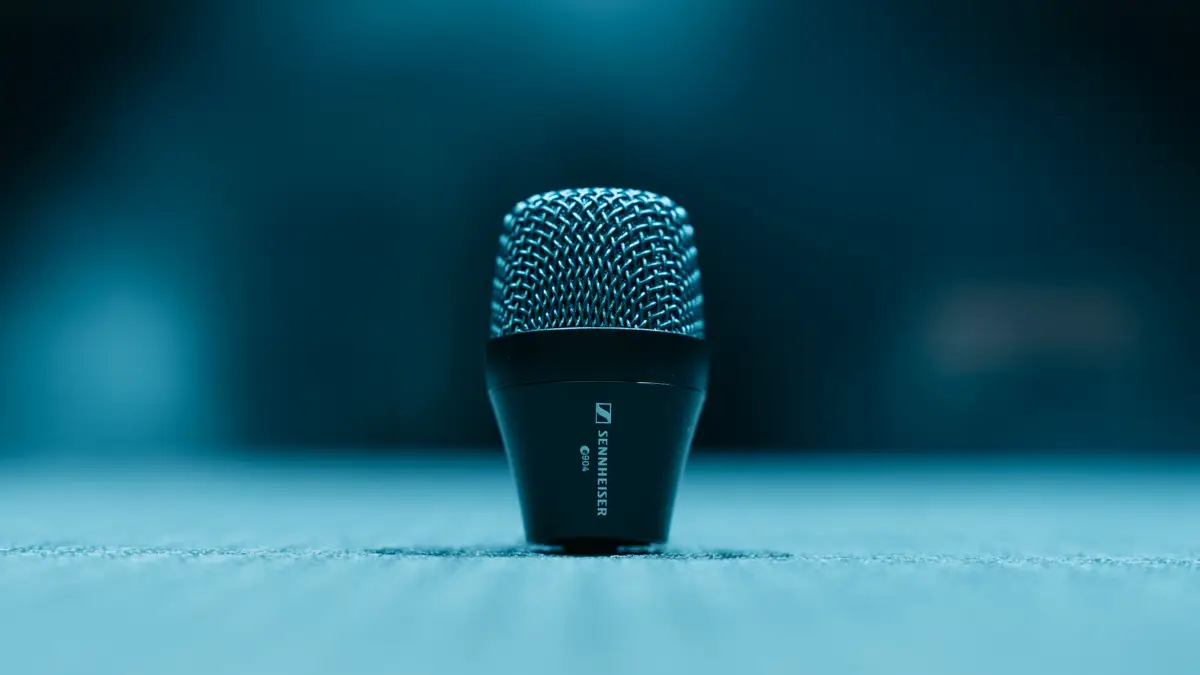
The Sennheiser e904 microphone has earned its place because it solves the practical problems live engineers deal with every week. It’s compact, quick to mount, tough enough for repeated setup and teardown, and voiced to help drums speak clearly in a mix. Beyond these qualities, it excels in the kinds of rooms that matter to working teams: sanctuaries, school stages, portable church rigs, and small clubs where the drum kit sits inches away from cymbals, wedges, stands, and everything else competing for space.
Your Search for a Clear Punchy Drum Sound Ends Here
If you’ve ever stood at front of house during rehearsal, wondering why the snare sounds dull in the room but harsh in the PA, you’re not alone. Church and school drum mixes often suffer from the same chain reaction. The drum kit is squeezed into a tight area. Cymbals sit low. Volunteers need something easy to mount. Then a mic goes on that hears too much of everything except the drum you want.
That’s where the Sennheiser e904 microphone changes the conversation. It’s a cardioid dynamic microphone built specifically for drums and percussion, with a 40 Hz to 18 kHz frequency response, 2 mV/Pa sensitivity, a weight of 125 grams, an integrated rim clip, and a 10-year factory warranty, according to FrontEndAudio’s Sennheiser e904 product details. On paper, those numbers look straightforward. On stage, they mean you get a mic that stays out of the way, handles loud drums without drama, and captures both body and attack.

Why does it works in real rooms
The first thing most techs notice is speed. Clip it on, aim it, and you’re in business. That matters when you’re helping a worship team soundcheck between service elements or getting a school jazz band on and off stage quickly.
The second thing you notice is separation. The e904 tends to give drums a defined front edge without making them feel small. Snare gets crack and shell tone. Toms keep their note and don’t turn into low-mid mush the second guitars and keys come in.
Practical rule: If the drum sound is fighting cymbal spill and stage clutter, a purpose-built drum mic usually solves more than another round of EQ does.
What that means for churches and schools
In volunteer-heavy environments, a workhorse mic matters more than a fancy one. The e904’s compact body helps in crowded kits, especially when drummers use multiple toms, close cymbal placement, or compact risers.
It also fits the reality of shared spaces:
- Portable church setups: You need gear that mounts quickly and survives teardown.
- School programs: Students and staff need hardware that doesn’t feel delicate.
- Weekend bands: A drum mic has to deliver usable results without endless tweaking.
This is why the e904 has stayed relevant. It doesn’t ask much from the user. Point it well, gain it properly, and it gives you a strong starting point.
Understanding the E904 Sonic Footprint
The e904 doesn’t sound popular by accident. Its design pushes it toward the exact things live drum mixes need most: focus, attack, and control.
Introduced around 2005 as part of Sennheiser’s Evolution e900 series, the e904 uses a tight cardioid polar pattern for strong off-axis rejection and includes a hum compensation coil to reduce noise, which helps explain its long-running popularity on loud stages, as noted in Equipboard’s overview of the Sennheiser e904.
A focused sound instead of a blurry one
Think of the e904 like a camera lens with a sharp center focus. It’s aimed at one job. Capture the drum cleanly and keep as much outside junk as possible from taking over the channel.
That’s what makes it useful on tight stages. In a church pit or a school auditorium, drums rarely sit in ideal isolation. Cymbals hover close to the toms. The snare mic sits near hats. Floor tom lives beside a ride cymbal and a wedge. A mic with better focus gives you more usable channel tone before you ever touch the EQ page.
Here’s what that sounds like in practice:
- Snare channels stay more defined: The stick attack comes through with less dependence on aggressive top-end EQ.
- Tom mics feel more mix-ready: You hear the note of the shell instead of a wash of cymbals and stage spill.
- The PA stays cleaner: Less bleed means gates and compressors behave more predictably.
The e904 voicing in practical terms
The e904 has a character many engineers describe as punchy and controlled. It isn’t flat in a boring sense, and it isn’t hyped in a way that forces every drum into the same shape. It gives enough edge to help the drum speak, but still leaves room to shape the channel on your mixer.
One useful distinction is how it differs from the e604. The e904 has a rise around 10 kHz, while the e604 has a bump around 4 kHz. That difference matters because the e904 often feels a little more open on attack and a little more controlled in dense mixes. It also tends to reward careful placement. A small angle change can shift the balance between crack, body, and cymbal bleed.
The best drum mics don’t just make drums louder. They make each drum easier to place in the mix.
Why live engineers keep coming back to it
The e904 has stayed in regular use because it solves predictable problems consistently. It rejects enough off-axis clutter to help with busy stages. It resists the electrical noise that can creep into questionable venues. It mounts fast. And it gives engineers a drum tone that’s already headed in the right direction.
For live work, that matters more than hype.
Ideal Applications for Your Stage or Studio
The e904 is at its best when you use it where its form factor and voicing matter. That usually means close miking sources that need isolation, fast setup, and a channel tone that already feels pointed in a useful direction.

Snare drum
On the snare top, the e904 is easy to recommend. The compact clip-on format keeps stand clutter down, and the mic naturally favors the parts of the drum sound most bands need in a live mix: the hit, the shell, and enough upper detail to cut through keys, guitars, and vocals.
A good starting point is to place it just inside the rim area and angle it toward the center, without aiming so directly that you overemphasize stick click or invite too much hi-hat bleed. If the snare feels too sharp, rotate the capsule slightly off-axis. If it lacks definition, point it a touch more toward the impact zone.
A few practical use cases:
- Modern worship snare: Aim for attack plus body, not just brightness. The drum should speak without sounding brittle.
- School concert snare: Keep placement simple and repeatable so different operators can reset it quickly.
- Rock or pop backbeat: Use the e904 to get immediate crack before heavy channel processing.
Rack and floor toms
The e904 often feels most at home on toms, where it captures enough low-end weight to keep the drum sounding full, while still preserving the stick impact that helps tom fills read through a dense mix.
For rack toms, start with the mic angled toward the head but not straight down. On floor tom, a slightly shallower angle can help preserve the note of the shell while reducing some cymbal intrusion from above. In both cases, the goal is balance. You want the attack, but you also want the drum to sound like a drum, not a click with low end attached.
Guitar cabinets and other uses
The e904 is primarily thought of as a drum mic, but it can also work on guitar cabinets when you want a compact option that gets in close without a bulky stand position. It can be useful in cramped stages where a traditional larger mic body becomes awkward.
That said, this is more of a practical utility role than the headline use. If you’re buying the e904, buy it for drums first.
If your setup changes every week, gear that works fast on snare and toms pays for itself in saved setup time and fewer on-stage problems.
Best fits and weaker fits
A short decision guide helps:
| Source | How the e904 performs | Best result |
|---|---|---|
| Snare top | Strong | Punch, body, manageable bleed |
| Rack toms | Excellent | Attack with usable tone |
| Floor tom | Excellent | Full note with control |
| Congas or percussion | Good | Tight, articulate pickup |
| Guitar cab | Situational | Compact placement advantage |
The common thread is simple. The e904 shines when isolation, compact mounting, and mix-ready attack matter more than broad, distant capture.
A Masterclass in E904 Mounting and Placement
The e904 gets praised for its clip-on convenience, and that praise is deserved. But “easy to clip on” isn’t the same as “easy to place well.” This is where many glossy reviews stop too early.
Live sound forums regularly bring up a real issue with the e904 and related clip designs. In compact kits, the mic can sit too high and interfere with low-mounted cymbals, which is a genuine concern for drummers in tight worship setups and school band layouts, as discussed in this ProSoundWeb forum thread on e904 placement challenges.

The problem most buyers only discover later
On paper, the rim clip sounds like a universal win. In real life, some drummers place crashes and splashes very low over rack toms. Others angle cymbals inward toward the player. In those setups, the e904 can end up occupying the same physical space the cymbal wants.
That doesn’t make the mic a bad choice. It means placement has to be deliberate.
The most common mistakes are:
- Mounting for convenience instead of angle: The first clip position that fits isn’t always the one that sounds or clears best.
- Aiming too vertically: A steep downward aim can create both clearance issues and an overly pointed attack.
- Ignoring stick path: On snare and high toms, poor angle choices can put the mic where the drummer’s motion becomes a risk.
Workarounds that actually help
If the cymbal clearance is tight, start by rotating the clamp around the rim before changing anything else. A small move around the drum can create a better angle and free up space above the mic body.
Then adjust the mic aim with purpose:
- Lower the visual profile by angling the capsule more across the head instead of straight down.
- Use the shell to your advantage and position the mic so the body tucks closer to the drum’s side.
- Prioritize the drummer’s movement before finalizing the sound position. A perfect tone isn’t useful if the player keeps hitting the mic.
One smart habit is to have the drummer play full-volume fills before you finish the patch. Don’t just tap-check the placement. Watch the cymbal movement and stick travel.
A drum mic placement is only “correct” if it survives actual performance, not just setup.
For a visual reference on placement ideas, this walkthrough is useful:
When clip-on isn’t the best answer
There are times when the included mount shouldn’t be your final choice. If a drummer uses very low cymbal positions or an especially compact kit layout, a low-profile alternative mount or a traditional stand approach can be the smarter move.
That trade-off is worth making when:
- Cymbal interference keeps returning
- The mic blocks consistent drummer motion
- You need a repeatable angle across multiple shared users
In those cases, the e904 capsule still brings the sonic benefits you want. You’re just solving the mechanical part with different hardware. Good engineering means choosing the whole setup, not defending the stock mount no matter what.
Dialing In the Perfect Sound with Your Digital Mixer
Once the e904 is placed well, the mixer becomes the finishing tool instead of the rescue tool. That’s the difference most church and school teams are chasing. You don’t want to fight the drum channel every week. You want a mic that gets you close fast, then a console move or two that locks it in.
The e904’s response includes a rise around 10 kHz, and one practical approach on digital mixers like an Allen & Heath SQ is a small +3 dB at 10 kHz for added snare shimmer, while a high-pass filter around 80 Hz on toms can tighten low-end buildup without gutting punch, according to this e904 comparison and EQ discussion on YouTube.
Starting point for snare on Allen and Heath Qu or SQ
On a Qu or SQ, the e904 usually doesn’t need dramatic surgery. Start by listening flat with the overheads muted, then bring in only the close mic. You’re listening for the relationship between attack and shell tone.
A practical starting workflow:
- Set gain conservatively: Drums move fast. Leave headroom so strong hits don’t pin the preamp.
- Try the small top boost only if needed: The e904 already has useful attack. Don’t add top end just because the EQ page is there.
- Use subtraction before addition: If the snare feels papery or narrow, check nearby upper mids first and trim gently before boosting anything.
On Midas M32, the same principle applies. The exact EQ curve may differ by room and PA voicing, but the goal is still the same. Let the mic’s natural punch do most of the work.
Toms that stay big without turning muddy
Tom channels often fall apart because engineers leave too much low-end junk in place and then overcompensate with aggressive gating. A cleaner move is to control the lows first, then decide how much attack you need.
For toms, try this sequence:
| Mixer move | Why it helps |
|---|---|
| High-pass around 80 Hz | Tightens low-end buildup |
| Moderate gate approach | Keeps decay natural |
| Small top shaping only if necessary | Preserves attack without harshness |
If the floor tom starts swallowing the low mids of the mix, don’t assume the mic is the issue. Check placement, then filter sensibly. The e904 usually gives you enough stick definition that you don’t need exaggerated EQ.
What works and what usually doesn’t
Good results with the e904 often come from restraint.
What works:
- A small high-frequency lift on snare when the mix needs more definition
- A controlled high-pass on toms to clean stage spill
- Using placement to solve bleed before gating hard
What usually doesn’t:
- Over-brightening the snare channel
- Heavy-handed gates that chop off tom sustain
- Trying to turn every drum into a studio sound in a live room
On digital desks, the fastest path to a better drum sound is usually small moves on a well-placed mic, not big moves on a badly placed one.
How the E904 Compares to Other Drum Mics
The e904 gets compared most often with two familiar alternatives. The Sennheiser e604 and the Shure SM57. Both are valid tools. Neither makes the e904 unnecessary.

E904 versus e604
This is the most direct family comparison. The e604 is a useful, practical drum mic and a solid starting point for many kits. The e904, though, feels like the more refined live sound tool.
The big differences are voicing and build feel. The e904’s rise around 10 kHz gives it a more polished attack character, while the e604’s bump around 4 kHz tends to feel more forward in a different way. In practical mixing terms, the e904 often comes across as tighter and easier to place in a dense band mix.
The e904 also brings a more confidence-inspiring metal body. For school inventory, church volunteers, and touring-style handling, that matters.
E904 versus SM57
The SM57 is still one of the most useful microphones ever made. On snare and guitar cab, it remains a trusted standard. But for drum-specific live work, the e904 wins on convenience and speed.
Why many engineers prefer the e904 on drums:
- Integrated mounting: Faster and cleaner than adding another stand around the kit
- Compact profile: Easier on crowded stages
- Drum-focused voicing: Often requires less corrective shaping to get a punchy result
Where the SM57 still holds its ground is flexibility. It’s a broader utility mic. If you need one mic to cover many random jobs, the 57 is still hard to dismiss.
Which one makes the most sense
Choose the e904 if your priority is consistent drum results, quick setup, and cleaner physical integration around the kit. Choose the e604 if budget matters more and you still want a dedicated drum option. Choose the SM57 if you need the most crossover utility and don’t mind extra stand management.
For many church, school, and gigging setups, the e904 lands in the sweet spot. It feels purpose-built without becoming fussy.
Why the E904 Is a Smart Investment for Your Sound
A drum mic earns its keep when it performs well on ordinary days, not just in ideal conditions. The e904 does that. It handles loud sources, mounts quickly, fits crowded kits better than many larger alternatives, and gives engineers a focused drum sound that doesn’t need heroic rescue at the console.
That reliability matters more in churches and schools than people sometimes admit. Volunteer teams need repeatable results. Music directors need gear that can survive constant setup. Gigging bands need channels that come together fast in unfamiliar rooms. The e904 fits that workflow because it’s designed for practical use, not spec-sheet theater.
It also holds its value as a long-term choice. The strong construction and long factory warranty support the basic truth most live engineers already know. Buying one dependable mic is often cheaper than fighting a marginal one for years.
If you want a drum microphone that sounds professional, survives real work, and solves more problems than it creates, the sennheiser e904 microphone is one of the safest recommendations in live sound.
If you’re ready to add a proven drum workhorse to your rig, pick up the Sennheiser e904 at John Soto Music. They specialize in live sound solutions for churches, schools, and performers, and they carry the kind of supporting gear that helps the e904 perform at its best, from Allen & Heath and Midas mixers to complete PA and stage setups.

